
VitaEssentials logoVitaEssentialsExplore wellness

HERBS & SUPPLEMENTS, A–Z

Learn, watch and shop—all in one place.

Explore our growing collection of ingredient guides, watch our videos and discover products through our shopping links.

Build a healthier lifestyle with informed choices.
Explore the collection
ROOTED IN NATURE. INFORMED BY SCIENCE.

Nature,
understood.

A little clarity for your everyday wellbeing. Explore the ingredients, the evidence and the stories behind botanical wellness.

Find your next discovery
Curiosity comes naturally.Let’s follow the evidence.
Eucalyptus branch with deep green leaves against a pale background
THE VITA ESSENTIALS JOURNALA closer look at
the natural world.
Nature with contextEvidence made accessibleWellbeing with balance
THE INGREDIENT EDIT

Get to know what
goes into your wellbeing.

Familiar names. Fascinating stories.
Start with one ingredient and look a little closer.

01 / FOOD & NUTRITIONEuterpe oleracea

Açaí

Beyond the beautiful bowl.
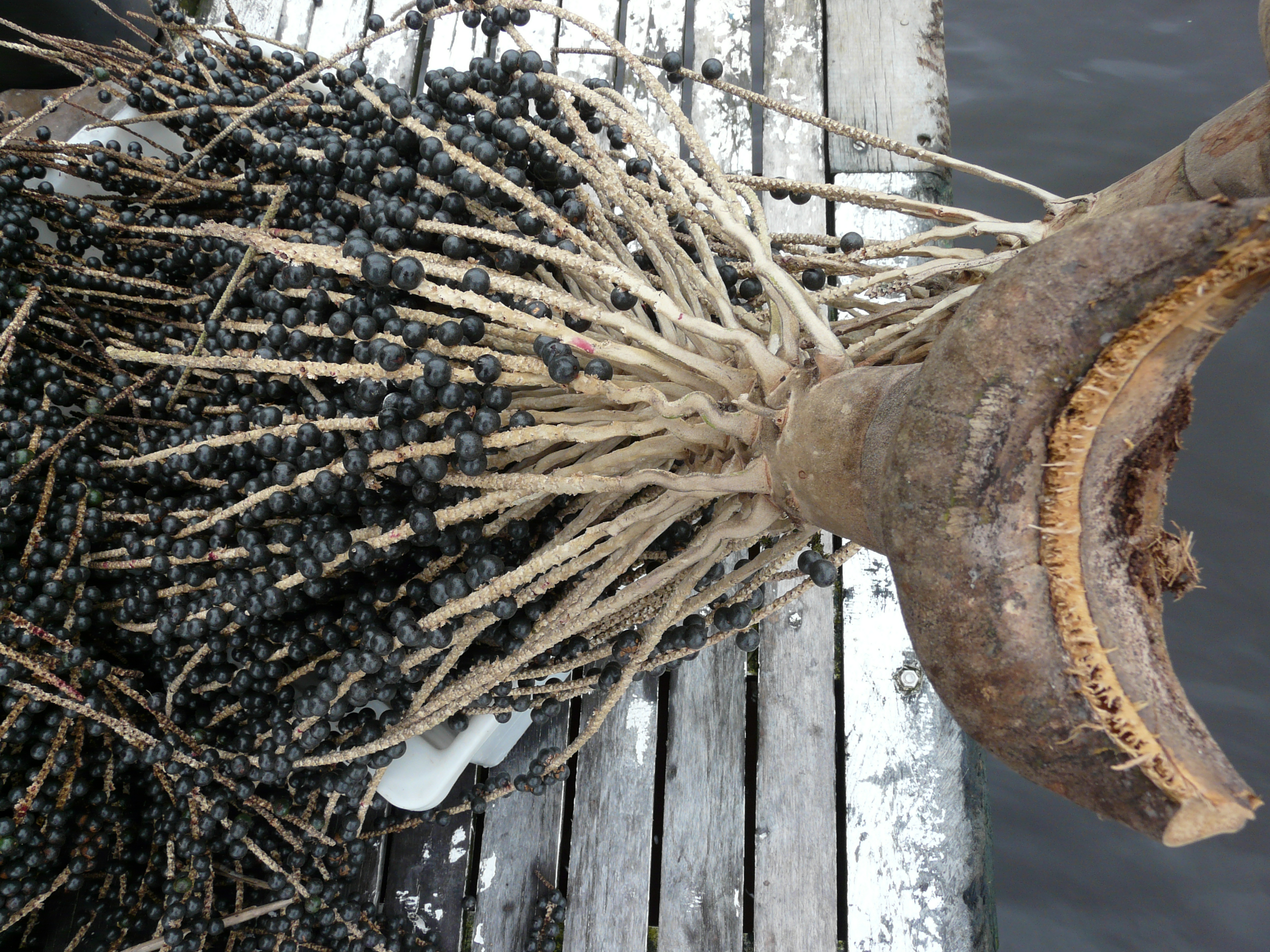
Dark açaí fruits attached to a harvested Euterpe oleracea palm cluster
Vihelik · Public domain · Display cropped.
HUMAN EVIDENCE IS LIMITED

Meet the purple palm fruit, and separate its food heritage from the health claims.

Read the science & sources

FOR KNOWLEDGE • NOT MEDICAL ADVICE

The plant and its compounds

Açaí is the dark-purple fruit of Euterpe oleracea, a palm associated with the Brazilian Amazon. Its pigments include anthocyanins, a group of plant polyphenols investigated for antioxidant activity. [1]

How might it affect our body?

Researchers measure how açaí consumption affects the body’s antioxidant defences and blood-vessel function. Oxidative stress describes an imbalance between reactive molecules and the systems that keep them in check. A change in a laboratory marker is useful scientific information, but it does not establish that a food prevents disease. [2] [3]

Diseases and conditions studied

  • Cardiovascular disease risk: a controlled crossover study in 23 otherwise healthy men with overweight found short-term improvements in how an arm artery widened after an açaí meal. This measured vascular function, not heart attacks or long-term heart-disease prevention. [2]
  • Cholesterol and metabolic health: a four-week crossover study in 30 healthy adults reported increases in HDL cholesterol and some antioxidant markers relative to baseline. It compared açaí with juçara juice and found no significant differences between the juices; it cannot establish treatment of high cholesterol or diabetes. [3]
  • Obesity: reliable evidence does not establish açaí as a weight-loss treatment. [1]
What this means

Açaí is an interesting food with early human research. There is no established disease-prevention or treatment benefit, and a supplement is not equivalent to the juice or meal tested in a trial.

Safety context

Raw juice can carry infection risks. Açaí products may affect blood glucose or interfere with some gastrointestinal MRI results. Discuss supplement use with a healthcare professional if you take medicines. [1]

Scientific evidence & sources

  1. NCCIH: Açaí — usefulness and safetyNIH evidence overview; limitations and safety.
  2. Alqurashi et al. (2016), American Journal of Clinical NutritionRandomised crossover trial: açaí meal and vascular function; 23 men.
  3. de Liz et al. (2020), Clinical NutritionFour-week randomised crossover study: cholesterol and antioxidant markers; 30 adults.
02 / BOTANICAL CAREAloe vera

Aloe vera

One plant. Different preparations.

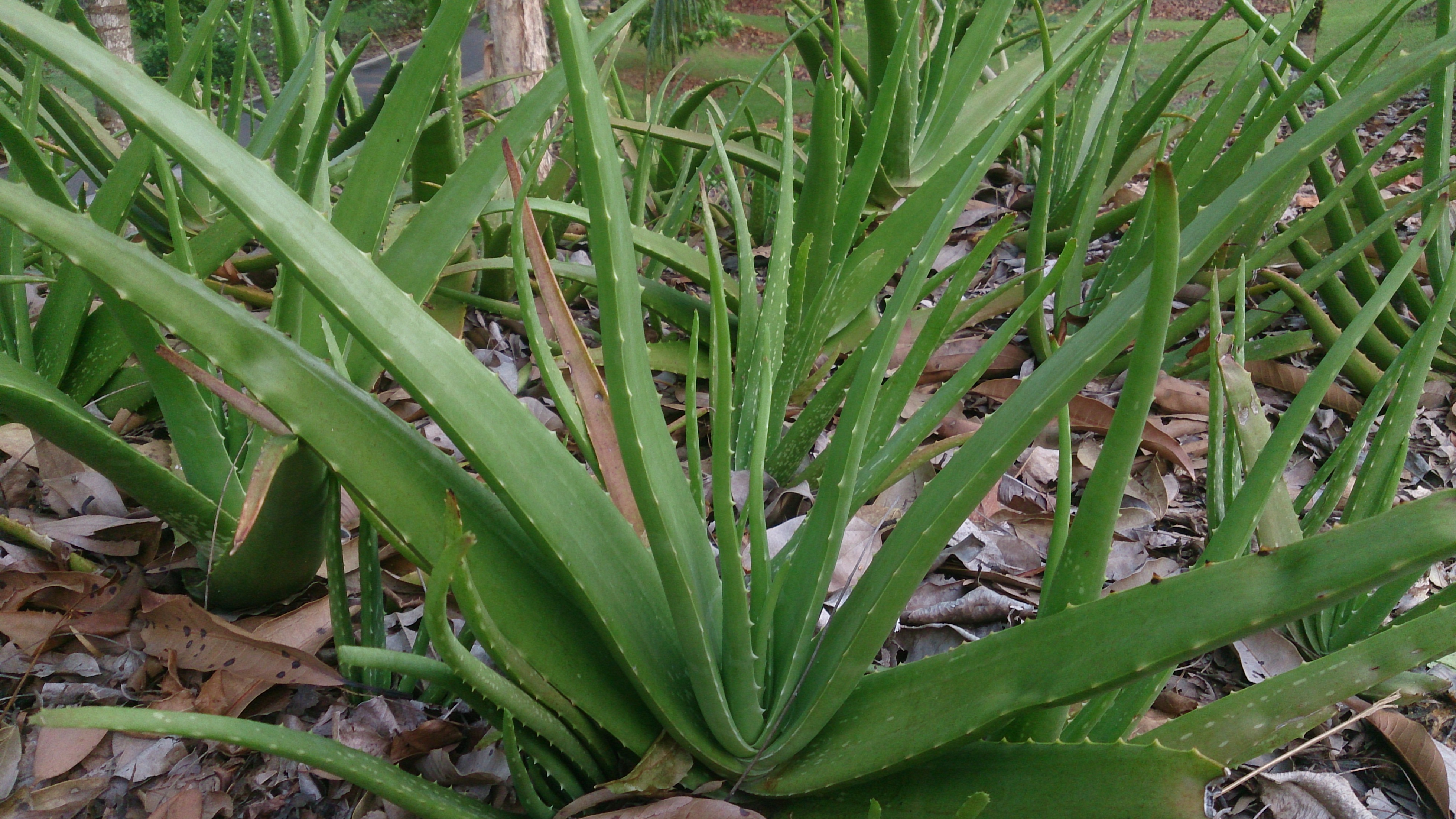
Mature Aloe vera plants with thick green serrated leaves
Mokkie · CC BY-SA 3.0 · Display cropped.
HOW YOU USE IT MATTERS

A closer look at the difference between skin gels and products taken by mouth.

Read the science & sources

FOR KNOWLEDGE • NOT MEDICAL ADVICE

One leaf, different preparations

Aloe’s inner-leaf gel, yellow latex and whole-leaf extracts have different chemical compositions and risks. A skin gel cannot be treated as equivalent to a drink or supplement. [1]

How might it affect our body?

Skin repair involves rebuilding tissue and regulating inflammation. Aloe gel has been investigated for effects on these processes and for reducing pain and itching during burn healing. Proposed anti-inflammatory mechanisms help explain why researchers study it, but the clinical result depends on the preparation and the condition. [2]

Diseases and conditions studied

  • Burn injuries: a small hospital trial compared aloe dressings with silver sulfadiazine on matched burns. Healing progressed faster and pain was lower with aloe; both sets of wounds healed within two weeks. This was supervised clinical care, not a test of applying a fresh leaf at home. [2]
  • Acne vulgaris: an eight-week trial in 60 people found that aloe gel added to tretinoin reduced acne lesions more than tretinoin with a vehicle gel. The result supports studying an add-on treatment, not claiming aloe alone cures acne. [3]
  • Psoriasis and type 2 diabetes: small studies suggest possible effects on skin symptoms or blood-glucose measures, respectively. Evidence remains limited, and oral products have distinct safety concerns. [1]
  • Eczema, diabetic foot ulcers and ulcerative colitis: reliable evidence is insufficient to establish a benefit. [1]
What this means

Topical aloe has promising evidence for selected skin uses. Findings cannot be generalised to every wound, every aloe product or oral use.

Safety context

Skin irritation or allergy can occur. Oral latex can cause cramps and diarrhoea; oral leaf extracts have been associated with liver injury. Oral use may be unsafe during pregnancy or breastfeeding and can interact with medicines. [1]

Scientific evidence & sources

  1. NCCIH: Aloe vera — usefulness and safetyNIH overview of topical and oral evidence.
  2. Mahboub et al. (2022), Journal of Caring SciencesRandomised clinical trial: burn healing, itching and pain. Full text.
  3. Hajheydari et al. (2014), Journal of Dermatological TreatmentRandomised trial: aloe plus tretinoin for mild-to-moderate acne; 60 participants.
03 / HERBS & EVERYDAY LIFEWithania somnifera

Ashwagandha

Tradition meets a closer look.

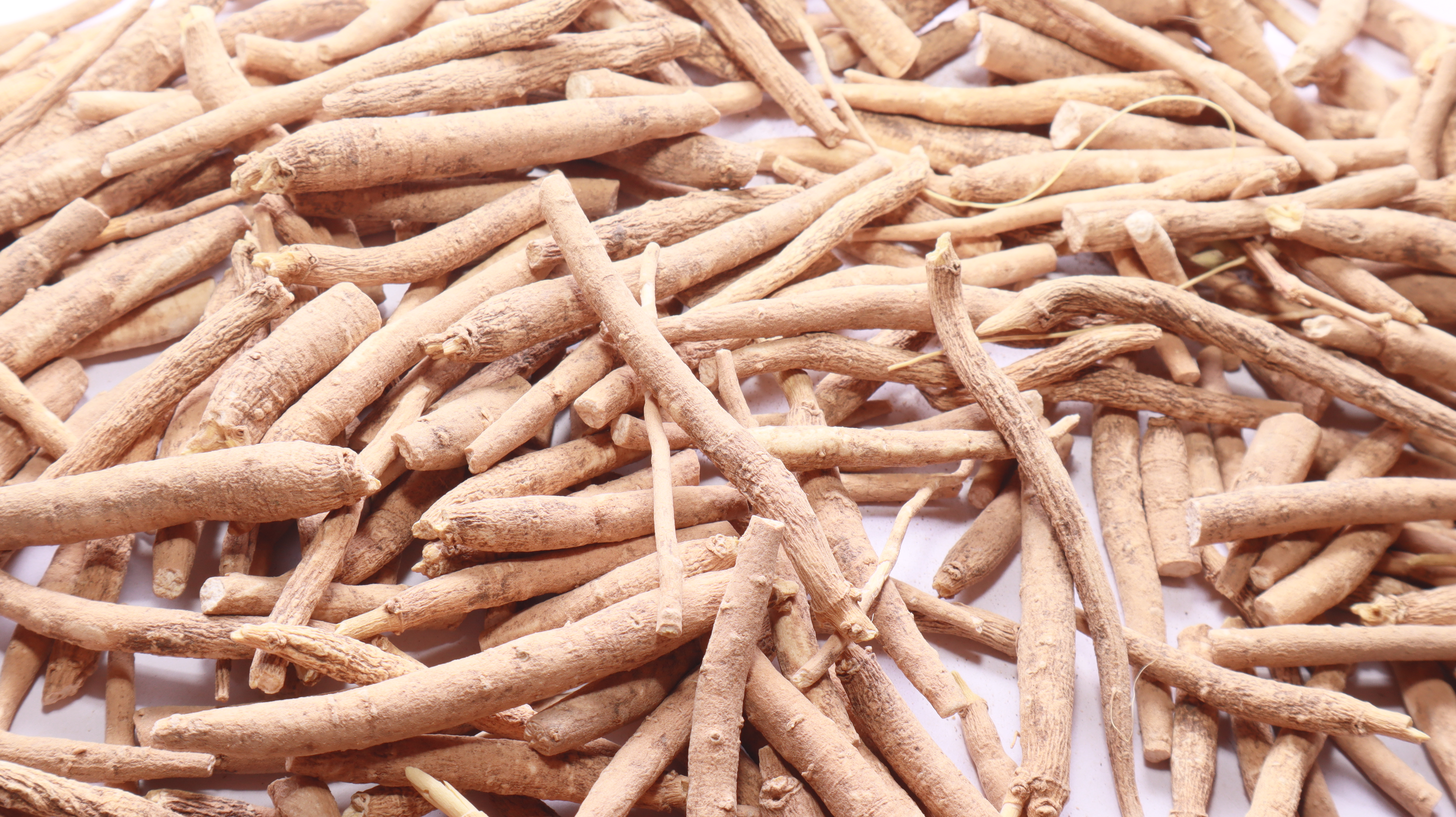
Dried tan roots of ashwagandha, Withania somnifera
Piyush Kothari · CC BY-SA 4.0 · Display cropped.
PROMISING, WITH LIMITATIONS

Explore the research on stress and sleep, alongside the safety questions that matter.

Read the science & sources

FOR KNOWLEDGE • NOT MEDICAL ADVICE

The plant and its compounds

Withania somnifera is an evergreen shrub with a history in Ayurvedic medicine. Root and leaf extracts contain different mixtures of plant chemicals, including withanolides. These are proposed contributors to biological activity; other compounds may also be involved. [1]

How might it affect our body?

Researchers study perceived stress, sleep and cortisol, a hormone involved in the stress response. A 60-day trial in 54 adults with mild-to-moderate stress and anxiety reported lower symptom scores and morning salivary cortisol with a standardised root extract. The tested product also contained piperine, so it does not establish the same effect for every ashwagandha product. A hormone change alone does not demonstrate that the body has been “balanced”. [2]

Diseases and conditions studied

  • Insomnia: an eight-week randomised trial in 80 adults, half with insomnia, found improvements in sleep measures with a specific root extract. Benefits were more apparent in the insomnia group. It was a small, short study. [3]
  • Stress and anxiety symptoms: some trials suggest benefit, but everyday stress is not itself a disease. Results in stressed volunteers cannot automatically be applied to a diagnosed anxiety disorder. [1] [2]
  • Generalised anxiety disorder: research is emerging. NIH describes a provisional specialist recommendation while emphasising that stronger evidence is needed. This is not a replacement for established care. [1]
What this means

Some extracts may support sleep and reduce perceived stress over the short term. Different products, small samples and short follow-up limit certainty.

Safety context

Possible effects include drowsiness and digestive upset; liver injury has also been reported. Thyroid effects and medicine interactions matter. Avoid during pregnancy and breastfeeding. Long-term safety is uncertain. [1]

Scientific evidence & sources

  1. NIH Office of Dietary Supplements: AshwagandhaHealth-professional fact sheet: stress, anxiety, sleep and safety.
  2. Majeed et al. (2023), MedicineRandomised placebo-controlled trial: stress, anxiety and hormone measures. Full text.
  3. Langade et al. (2021), Journal of EthnopharmacologyRandomised placebo-controlled study: sleep in healthy adults and people with insomnia; 80 participants.
04 / HERBS & MENSTRUAL HEALTHVitex agnus-castus

Agnus castus

Chasteberry, cycles and the evidence.

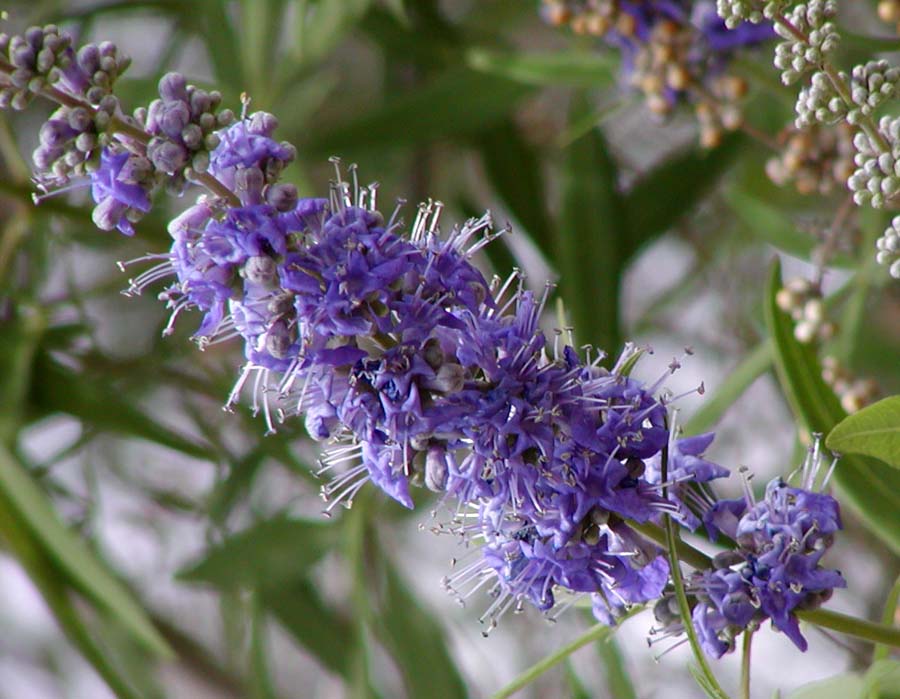
Purple flower clusters of Vitex agnus-castus, or chaste tree, against green foliage
Actual agnus castus flowers. The fruit is used in the extracts studied.
Stan Shebs / Wikimedia Commons · CC BY-SA 3.0 · Display cropped.
PMS EVIDENCE • PRODUCT-SPECIFIC

Explore how chasteberry may affect menstrual symptoms, what clinical studies show and where uncertainty remains.

Read the science & sources

FOR KNOWLEDGE • NOT MEDICAL ADVICE

What is agnus castus?

Vitex agnus-castus, also called chasteberry or chaste tree, is native to the Mediterranean region and Central Asia. Research focuses on preparations of its fruit. The flowering plant pictured above helps identify the species; flowers are not the preparation tested in the PMS trial below. [1] [2]

How might it affect our body?

Its mechanism is not fully understood. Laboratory research suggests effects on the hypothalamus and pituitary, which help regulate hormones, potentially reducing release of prolactin. Prolactin may have a role in premenstrual symptoms. This is a proposed explanation, not proof that agnus castus broadly “balances hormones” or corrects a hormone disorder. [3]

Conditions and symptoms studied

  • Premenstrual syndrome (PMS): a randomised, double-blind trial evaluated 170 women over three menstrual cycles. With a specific dry fruit extract, Ze 440, 52% achieved at least a 50% reduction in their overall symptom score, compared with 24% taking placebo. Symptoms assessed included irritability, mood changes, headache and breast fullness. This supports possible symptom relief, but does not establish a cure or the same benefit for every product. [2]
  • Cycle-related breast pain or tenderness: studies suggest possible benefit, but NCCIH rates much of the PMS research as low to moderate quality and calls for stronger evidence. [1]
  • Infertility and menopausal symptoms: reliable evidence for infertility is insufficient; menopause findings are preliminary. These uses should not be presented as established benefits. [1]
What this means

The clearest research concerns relief of PMS symptoms with particular extracts. Short trials cannot establish long-term benefit or safety. A positive symptom score does not demonstrate disease prevention, and different preparations are not interchangeable.

Safety context

Reported side effects include digestive upset, headache and itching. Pregnancy, breastfeeding and hormone-sensitive conditions, including some breast, uterine and ovarian cancers, require particular caution. [1] EMA advises medical review for people with pituitary disorders and warns that symptoms of prolactin-secreting tumours may be masked. Interactions with dopamine-related medicines, oestrogens and antioestrogens cannot be ruled out; discuss use with a doctor or pharmacist. [4]

Scientific evidence & sources

  1. NCCIH: Chasteberry — usefulness and safetyNIH evidence overview: PMS, other uses and safety limitations.
  2. Schellenberg (2001), BMJ — placebo-controlled PMS trialOriginal randomised study: 170 women, three menstrual cycles, Ze 440 fruit extract.
  3. European Medicines Agency: Agnus castus fruitRegulatory overview: preparations, proposed mechanism and evidence assessment.
  4. EMA: European Union herbal monograph, revision 1 (PDF)Professional safety guidance, interactions and pituitary-related precautions; EMA/HMPC/606742/2017.

Agnus castus sources checked 5 October 2026.

Watch our agnus castus videos

05 / TREES & URINARY HEALTHPrunus africana

African prune

From forest bark to prostate research.

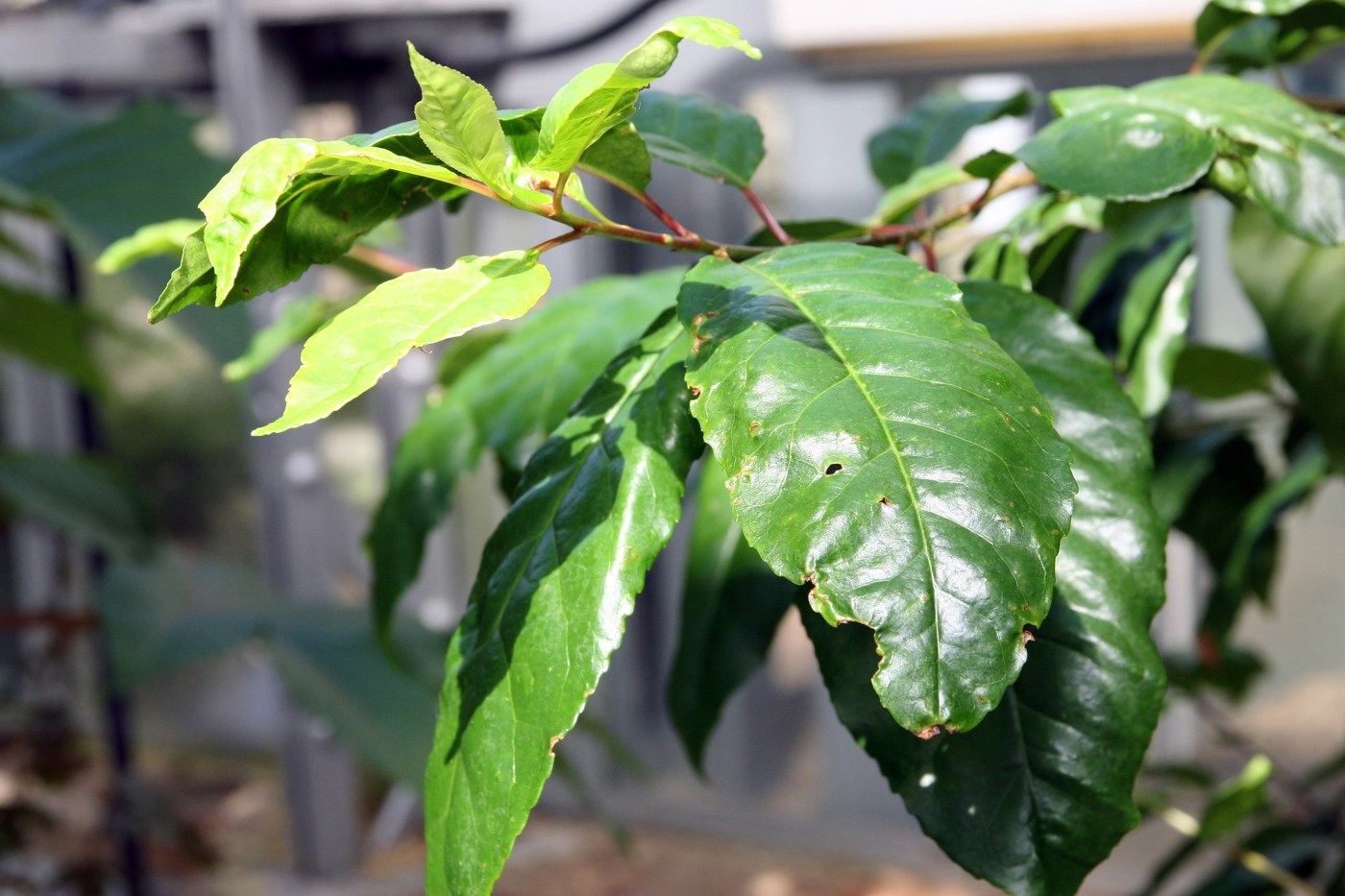
Glossy green leaves and pale new growth on a Prunus africana branch
Actual African prune foliage. Research concerns bark extracts.
David J. Stang / Wikimedia Commons · CC BY-SA 4.0 · Resized; display cropped.
URINARY SYMPTOMS • LIMITED EVIDENCE

Meet pygeum: an African tree studied for urinary symptoms associated with an enlarged prostate.

Read the science & sources

FOR KNOWLEDGE • NOT MEDICAL ADVICE

Where does it come from?

African prune, Prunus africana, is also known by the older scientific name Pygeum africanum. It grows mainly in tropical mountain habitats, with a native range spanning parts of mainland Africa, Comoros and Madagascar. [1] The material studied for urinary health is an extract of the dried trunk bark, not an ordinary dried prune fruit. [2]

What is in the bark?

The bark contains plant sterols such as beta-sitosterol, triterpenic acids including ursolic and oleanolic acid derivatives, fatty acids and ferulic-acid esters. Extraction changes which substances are concentrated, so raw bark and different commercial extracts cannot be assumed to have the same effects. [2]

How might it affect our body?

Researchers investigate effects on inflammatory signalling. A 2024 laboratory study exposed human immune cells to an inflammatory stimulus and tested a standardised bark extract for effects on cytokines, chemical messengers involved in inflammation. This work explores a possible mechanism; cells in a dish do not establish that taking a supplement improves symptoms or prevents disease. [3]

Conditions and symptoms studied

  • Benign prostatic hyperplasia (BPH): this means non-cancerous enlargement of the prostate. It can press on the urethra and cause a weak stream, incomplete emptying and frequent urination, including at night. [6] A 1990 double-blind, placebo-controlled study of 263 patients over 60 days reported improvements in urinary measures with a particular pygeum extract. It is an older, short trial and does not establish long-term protection or equivalence to current medicines. [4]
  • Daily-life relevance: urinary comfort and fewer interruptions are the practical outcomes of interest. Whether an individual benefits remains uncertain; the evidence does not justify promising better sleep or relief from every product.
  • Disease prevention: the urinary-symptom trial did not test prevention of BPH or prostate cancer. Its results should not be used to make those claims. [4]
What this means

EMA recognises a specified bark extract under traditional use for BPH-related urinary symptoms, after a doctor has excluded serious causes. Traditional-use recognition rests on longstanding use; it is not the same as strong clinical proof for all pygeum supplements. [5]

Safety context

EMA lists rare digestive effects, including nausea, constipation and diarrhoea. Do not use a product if allergic to its ingredients; discuss supplement use with a doctor or pharmacist. [5] New or worsening urinary symptoms need assessment. Blood in urine, pain when passing urine or inability to urinate require urgent medical help, such as an urgent GP appointment or NHS 111. [6]

Scientific evidence & sources

  1. Royal Botanic Gardens, Kew: Prunus africanaAccepted species name, synonyms, habitat and native distribution.
  2. EMA: Assessment report on Prunus africana bark (PDF)Plant material, chemical constituents and clinical assessment; EMA/HMPC/680624/2013.
  3. Villar et al. (2024), International Journal of Molecular SciencesOriginal laboratory study of cytokine release in human immune cells; not a clinical trial.
  4. Barlet et al. (1990), Wiener klinische WochenschriftOriginal placebo-controlled study of urinary symptoms: 263 patients, 60 days.
  5. EMA: European Union herbal monograph (PDF)Traditional-use status, precautions and adverse effects; EMA/HMPC/680626/2013.
  6. NHS: Enlarged prostateSymptoms, diagnosis and when to seek medical help.

African prune sources checked 5 October 2026.

Watch our African prune videos

Educational summaries, not treatment recommendations. A disease being studied does not mean an ingredient treats or prevents it. Açaí, aloe vera and ashwagandha sources checked 30 September 2026; agnus castus and African prune sources checked 5 October 2026; this is a focused overview, not a systematic review.

OUR POINT OF VIEW

Wonder is the start.
Understanding is the goal.

There’s a lot to love about the natural world. There’s also a lot to question. We make space for both.

01

Look beyond the headline

We distinguish traditional use, laboratory findings and studies in people.

02

Make the limits clear

Promising findings are a starting point. Study size, preparation and unanswered questions matter.

03

Keep the whole person in view

Our content puts ingredients in context, with attention to safety and everyday wellbeing.

VitaEssentials — Better Nutrition, Healthier You
WELCOME TO VITA ESSENTIALS

Better questions.
More informed choices.

Vita Essentials explores nutrition, plants and the science behind everyday wellness. We turn complex topics into clear, approachable guides that invite you to learn more.

From açaí’s origins to the research behind familiar herbs, our aim is simple: help you approach wellbeing with curiosity and perspective.

Explore the ingredient collection
A LITTLE MORE CLARITY

Good questions to ask.

Does “natural” always mean safe?

No. Botanical products can cause side effects and interact with medicines. The preparation, amount and your health circumstances all matter. Each ingredient guide links to a source with more safety information.

Can these guides replace medical advice?

Our guides are for general education. They do not diagnose, treat or provide a personal supplement plan. A pharmacist or qualified healthcare professional can advise on your individual circumstances.

Where can I check the evidence?

Each ingredient guide ends with linked scientific sources, including original clinical studies and NIH evidence summaries. Reference numbers beside the explanations take you to the relevant sources.